

There’s a reason Eric Harkins’ book Great Leaders Make Sure Monday Morning Doesn’t Suck resonates so deeply—and so painfully.
It’s not because the ideas are new. It’s because they still need to be said.
When Eric and I sat down for this podcast conversation, we laughed a lot. We also had a few “how is this still happening?” moments. Because as much as leadership books, podcasts, frameworks, and tools have exploded over the last few decades, far too many people still dread Monday mornings. And that’s not a workload problem—it’s a leadership one.
So the real question isn’t, “Why do Mondays suck?” It’s “Why are we still tolerating leadership that makes Mondays suck?
The Leadership Problems That Refuse to Die
Eric shared something that stopped me in my tracks: someone once told him his book could have been written 50 years ago—and will still be relevant 50 years from now. As depressing as that sounds, it explains exactly why leadership consultants like us still have work to do.
From what I see every day, poor leadership persists for two big reasons:
When pressure rises, self-awareness drops. The more chaotic and uncertain the world becomes, the more our self-protective wiring takes over. Leaders don’t intend to show up as controlling, dismissive, or unavailable—but under stress, they revert to old habits. Without deliberate self-awareness practices, those habits quietly run the show.
We confuse performance with people leadership. Being great at the work does not automatically make you great at leading people who do the work. Yet organizations keep promoting subject-matter experts into leadership roles without redefining expectations—or providing real development. The result? High performers doing everyone else’s job and wondering why no one has their back.
That’s how Mondays start to feel heavy before the week even begins.
Self-Awareness Is Not Optional—It’s the Job
One thing Eric and I completely agree on: leadership development that doesn’t start with self-awareness is just noise.
If you don’t know what triggers you, how you react under pressure, or how your behavior lands on others, you’re not leading—you’re reacting. And reactionary leadership erodes trust faster than almost anything else.
The leaders who make Mondays better are the ones who:
- Reflect instead of deflect
- Get curious instead of defensive
- Own their impact instead of explaining it away
That kind of leadership isn’t about being perfect. It’s about being conscious.
The Two Things That Keep Companies from Being Great
Eric put it bluntly—and he’s right.
Most organizations aren’t struggling because of strategy, technology, or talent shortages. They’re struggling because they tolerate two things far too long:
- Allowing underperformers to remain in the workplace.
- Enabling bad leaders to continue leading.
When high performers have to pick up the slack—or work around someone who creates chaos—the message is clear: excellence doesn’t matter here. And when leaders avoid tough conversations in the name of “niceness,” resentment quietly fills the gap.
Courage isn’t optional in leadership. It’s the price of creating a workplace people actually want to be part of.
What Great Leaders Actually Do (and Are Held Accountable For)
One of the reasons I love Eric’s work is that he doesn’t overcomplicate leadership. His LEAD principles cut through the fluff and ask questions every organization should be asking:
- Do our leaders create cultures that high performers want to be part of?
- Do they bring energy and enthusiasm—or suck it out of the room?
- Do they build relationships at all levels?
- Do they manage performance and make tough calls when needed?
- Do they support the direction of the company without hidden agendas?
If you can’t confidently say “yes” across the board, that’s not a mystery—it’s a signal.
And this is where systems matter. If leadership expectations aren’t clearly defined, reinforced, measured, and rewarded, we shouldn’t be surprised when people default to what’s easiest instead of what’s right.
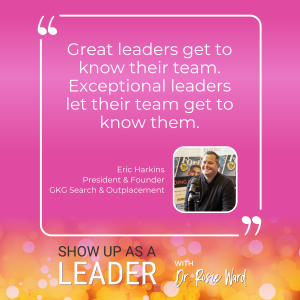
Conversations We Keep Avoiding (and Why They Matter)
Here’s the truth: most leadership problems don’t require a new initiative. They require a conversation someone is avoiding.
“I’m noticing you don’t seem happy here. Am I misreading that?” “I’ve canceled our one-on-ones too many times. That’s on me.” “This role requires people leadership, not just technical expertise.”
When leaders anchor those conversations in shared expectations—not personal judgment—they become clearer, calmer, and far more effective. Accountability doesn’t have to be combative. It does have to be honest.
The Bottom Line: Mondays Don’t Suck by Accident
If your people dread Monday mornings, it’s not because they’re lazy, entitled, or unmotivated.
It’s because something in the system—leadership behavior, accountability, culture, or clarity—is broken.
The good news? None of that is irreversible.
When leaders commit to self-awareness, stop tolerating dysfunction, and take their responsibility to people seriously, Mondays change. Not overnight. Not perfectly. But meaningfully.
And that’s how cultures shift—one honest conversation, one courageous decision, one Monday morning at a time.
I invite you to listen to the episode and reflect on how you and your leaders can help make Mondays better.
👉 Find it here or wherever you get your podcasts.
Stay brave. Stay human. Stay safe. And never dull your sparkle!
Rosie
